What Is Brand Activation?
Brand activation is a campaign, event or experience that invites people to interact with a brand directly instead of watching a message about it. The target is a measurable action: a visit, a product trial, a captured lead, a booking or a shared post. Advertising asks people to observe. Activation asks them to participate.
That participation test settles most internal debates. If a visitor can complete your concept without doing anything, it is signage. It is the first check we run on stalled activation briefs.
Why Are Marketers Moving Budget From Ads to Activation?
A display ad gets skipped in under two seconds. A well designed immersive room holds visitors for eight to twelve minutes in our project data. That gap explains the budget shift.
Harvard Business Review described the underlying change in its essay on the experience economy, which placed staged experiences above goods and services in economic value. Almost three decades later, that logic decides spending at airports, malls and expos. Three forces keep it moving:
- Attention: people give minutes to an experience and seconds to an ad
- Memory: participation creates recall that paid impressions rarely match
- Data: a physical activation produces first party engagement data, from dwell time to interaction counts, that a billboard cannot
Brand Activation vs Experiential Marketing: The Line Most Briefs Miss
Teams treat these terms as interchangeable, and budgets suffer for it. Experiential marketing is the broad practice of using live, sensory experiences as a marketing channel. A brand activation is one specific campaign inside that practice, with a start date, an end date, a venue and a defined action to drive. Brand awareness is different again: it is ongoing visibility, built over years.
| Term | Scope | Duration |
| Brand activation | One campaign, event or installation | Fixed and time bound |
| Experiential marketing | The full discipline of live brand experiences | Ongoing practice |
| Brand awareness | General recognition of the brand | Continuous |
Write the brief as an activation and staff it as a campaign.
The 6 Types of Brand Activation, From Sampling to Holograms
These are the formats that deliver results for event heads and public space operators.
1. Immersive activations
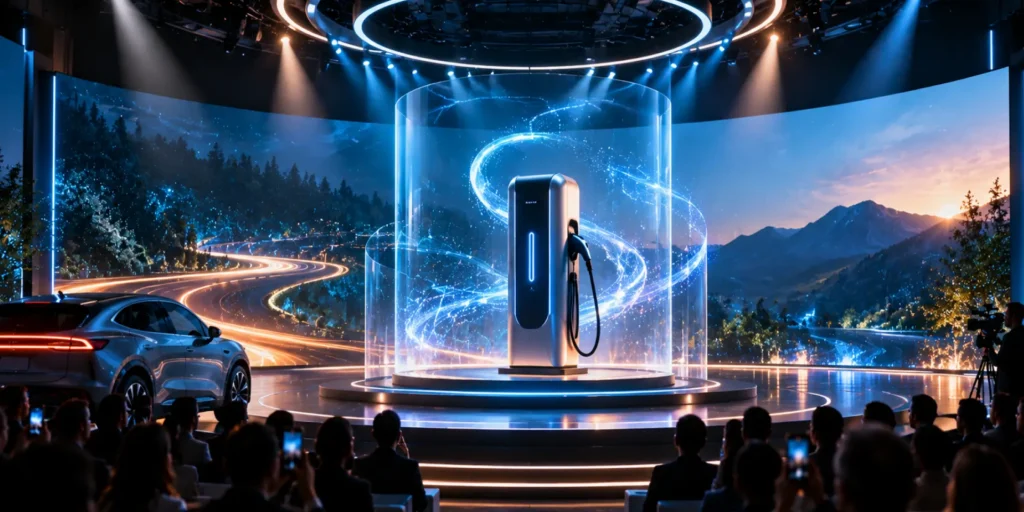
Projection mapped environments, 360 degree narrative rooms and 3D holographic displays turn a brand story into a space people walk through. This format suits launches and flagship expo moments.
Immersive formats also change what people retain. PwC research on immersive learning found participants engaged up to four times faster and reported 275% more confidence afterwards, the same attention effect that activations depend on.
2. Expo and pavilion activations
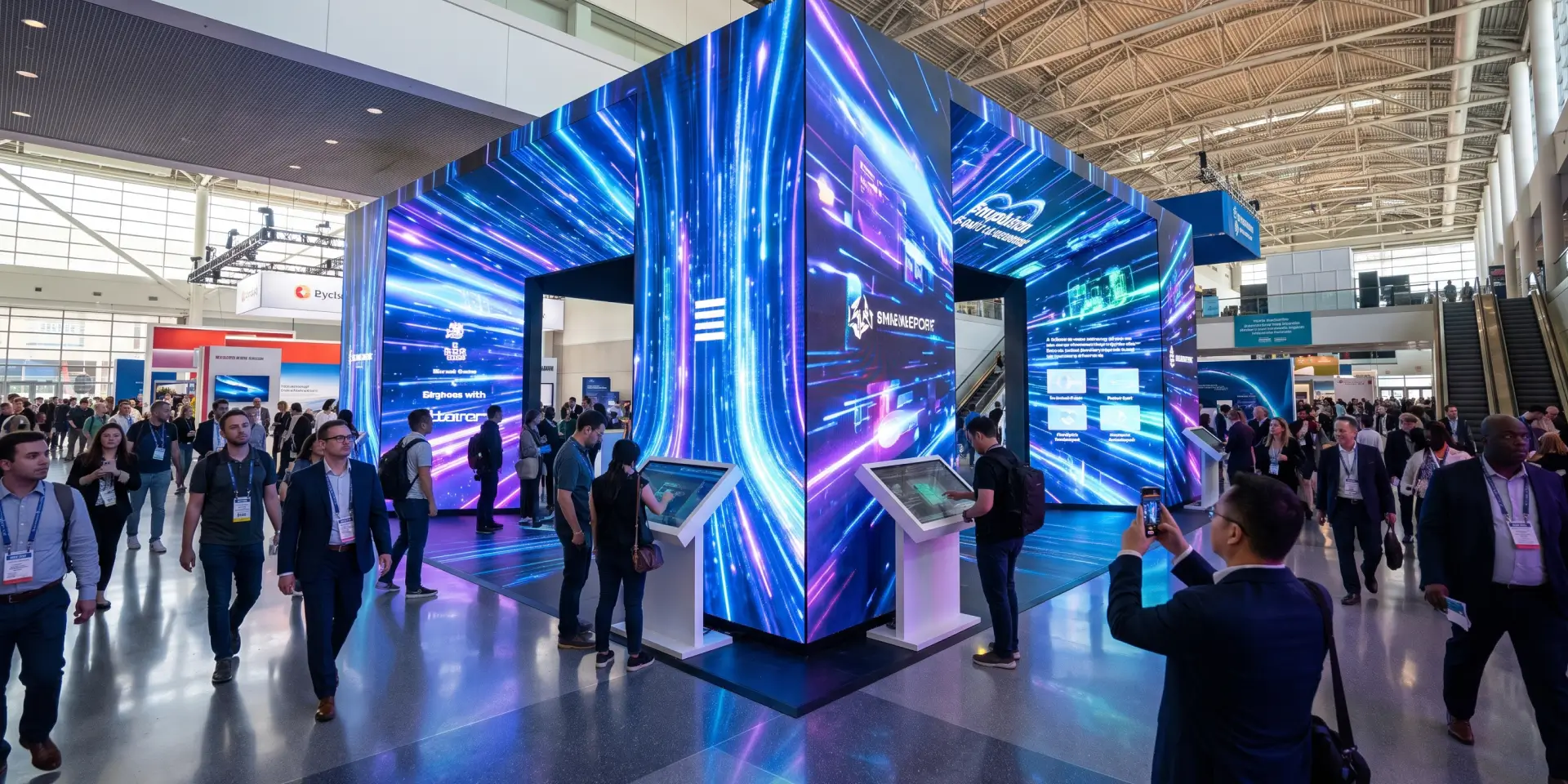
We build interactive exhibition stands and pavilions for trade fairs where the audience is already qualified. Design for conversation depth and capture leads inside the experience itself.
3. Mall and transit activations
High footfall, short windows. A mall or airport activation gets 30 to 90 seconds per person, so the interaction must start within three steps and reward the visitor at once.
4. Product launch experiences
A launch gathers press, partners and buyers by choice. An interactive reveal outperforms a stage and slides because attendees handle the product story themselves.
5. Digital and hybrid activation campaigns
AR filters, microsites and live streams extend a physical activation campaign to people who never enter the venue. In 2026, every build has to perform twice: once in the room and once on social feeds.
6. Sampling and in store activations
The oldest format still converts when placement is right. Match the sample to the location and the moment, then record redemption so the activation campaign reports like a media channel.
What Goes Into a Brand Activation Strategy? A 5 Step Process
After ten years of builds, our brand activation strategy work returns to the same five steps:
- Define one action: pick a single measurable behaviour, such as demos completed or leads captured, before any creative work starts
- Study the venue first: map dwell windows, sight lines, power and crowd flow, because a concept that ignores the floor plan fails on opening day
- Design the interaction before the visuals: decide what a visitor does in the first ten seconds, then build the environment around that decision
- Instrument the build: fit engagement tracking, dwell time reporting and attention analytics during fabrication, since sensors added after opening rarely work well
- Plan the second audience: script the photo moments and capture points that push the activation campaign onto social channels
Most weak briefs skip step two, and those projects get redesigned on site.
Which Brand Activation Ideas Work in Malls, Airports and Expos?
Generic brand activation ideas fail in specific venues. Match the format to how people move through each space:
- Malls: gesture reactive display walls that respond to passing shoppers, and AR trails that route visitors past anchor stores
- Airports: seated immersive pods for waiting passengers, plus holographic product showcases that run without staff at 2 a.m.
- Expos and public exhibitions: 360 degree narrative rooms and multi station interactive journeys
The same interaction logic sits behind the four interactive exhibition experiences we produced for a major museum, where visitors explored each subject at their own pace. A forty second corridor and a two hour pavilion need different brand activation ideas, budgets and staffing plans.
How Do You Prove an Activation Campaign Worked?
Applause is not a metric. Every activation campaign we deliver reports on five numbers:
- Footfall: total visitors measured against the venue baseline for that period
- Dwell time: average minutes a visitor spends inside the experience
- Interaction rate: the share of visitors who complete the core action
- Leads and trials: contacts, demos or samples logged inside the space
- Social capture: posts, tags and reach generated by planned photo moments
Set targets for each number before fabrication starts. We covered the wider measurement method in our analysis of the ROI of a corporate brand experience centre, and the same logic applies to temporary builds.
What Building 100+ Activations Taught Us at ViitorX
Our team has delivered more than 100 immersive projects across expos, public spaces and infrastructure programmes, with a 92% client satisfaction rate. One lesson repeats: audiences reward brands that let them do something.
One project shows this clearly. We converted a full airport masterplan into an interactive holographic digital twin, presented live to national leadership at the official ground breaking ceremony, replacing static presentation decks for that programme entirely.
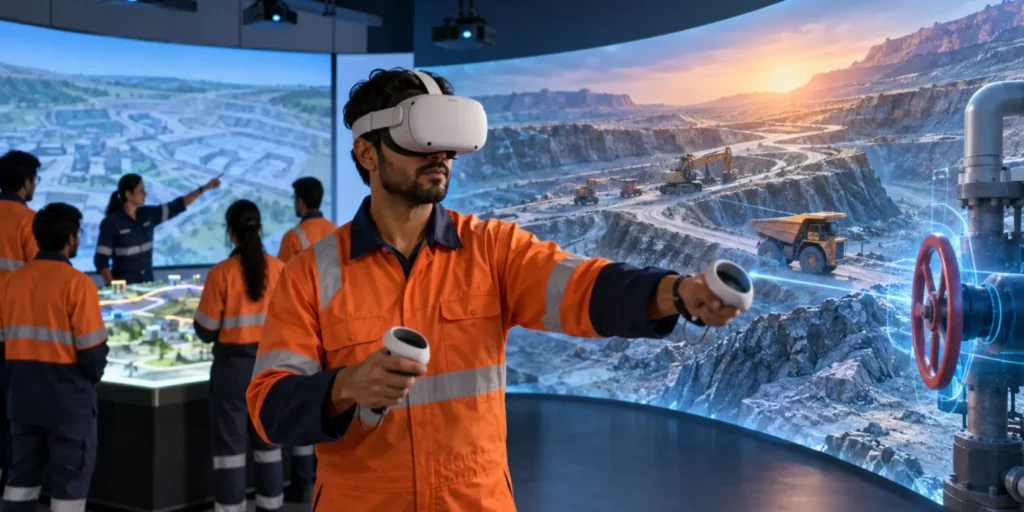
Our full activation portfolio shows how these builds perform across formats, from VR walkthroughs of future infrastructure to museum grade interactive stations.
If an activation sits on your plan for the coming quarter, share the brief with our team. We reply within 24 hours with format options, an indicative budget range and the metrics we would attach to each idea.
Where Should You Start?
Start with the participation test. If people can only watch, rework the concept. Then write a brand activation strategy around one measurable action, pick the format your venue can support, and instrument the build so results are reported rather than estimated. The brand activation ideas that win in 2026 treat visitors as participants and the venue as a working media channel.
Frequently Asked Questions
What is meant by brand activation?
Brand activation means a campaign, event or interactive experience that moves people from awareness of a brand to a direct action with it, such as a trial, a lead or a purchase.
What is an example of a brand activation?
A holographic product showcase at an expo, a projection mapped launch room or a sampling station in a mall are all activations.
How is an activation different from brand awareness?
Awareness is ongoing visibility. An activation is a time bound campaign built to convert that visibility into participation and measurable results.
How much does a brand activation cost?
Format, venue, technology and duration set the price. The cost drivers match those in our breakdown of experience centre costs.
How do you measure a successful activation campaign?
Track footfall, dwell time, interaction rate, leads captured and social reach against targets set before launch. A sound brand activation strategy fixes these numbers in the brief.