The Digital Museum Meaning, in Plain Terms
A digital museum is a museum that uses digital technology to record, present, and interpret its collection. This can happen inside the building through interactive screens and projection, online through digital collections, or both at once. The aim stays the same: make heritage easier to reach, understand, and protect.
The term is often confused with two others, so here is the clear split we give every client:
- Digital museum: A physical or online institution that uses technology to present and preserve its collection.
- Virtual museum: An online-only experience that a visitor explores from anywhere, with no physical building required.
- Museum digitisation: The process behind both. It converts artefacts and records into digital form through photography, 3D scanning, and cataloguing.
Digital Museum vs Virtual Museum: The Difference That Matters
People use the words digital museum and virtual museum as if they mean the same thing. They do not. The difference decides what you build and why.
- A virtual museum lives entirely online. A visitor tours it on a screen. It widens reach but replaces the physical visit.
- A digital museum usually keeps the physical space and adds technology to it. The artefact stays real, and the digital layer explains, expands, or protects it.
Most heritage institutions we advise want the second path. They want the object to stay central, with technology making it clearer. A digital museum experience of this kind respects the collection and still reaches a modern audience.
How Technology Reinvents Heritage
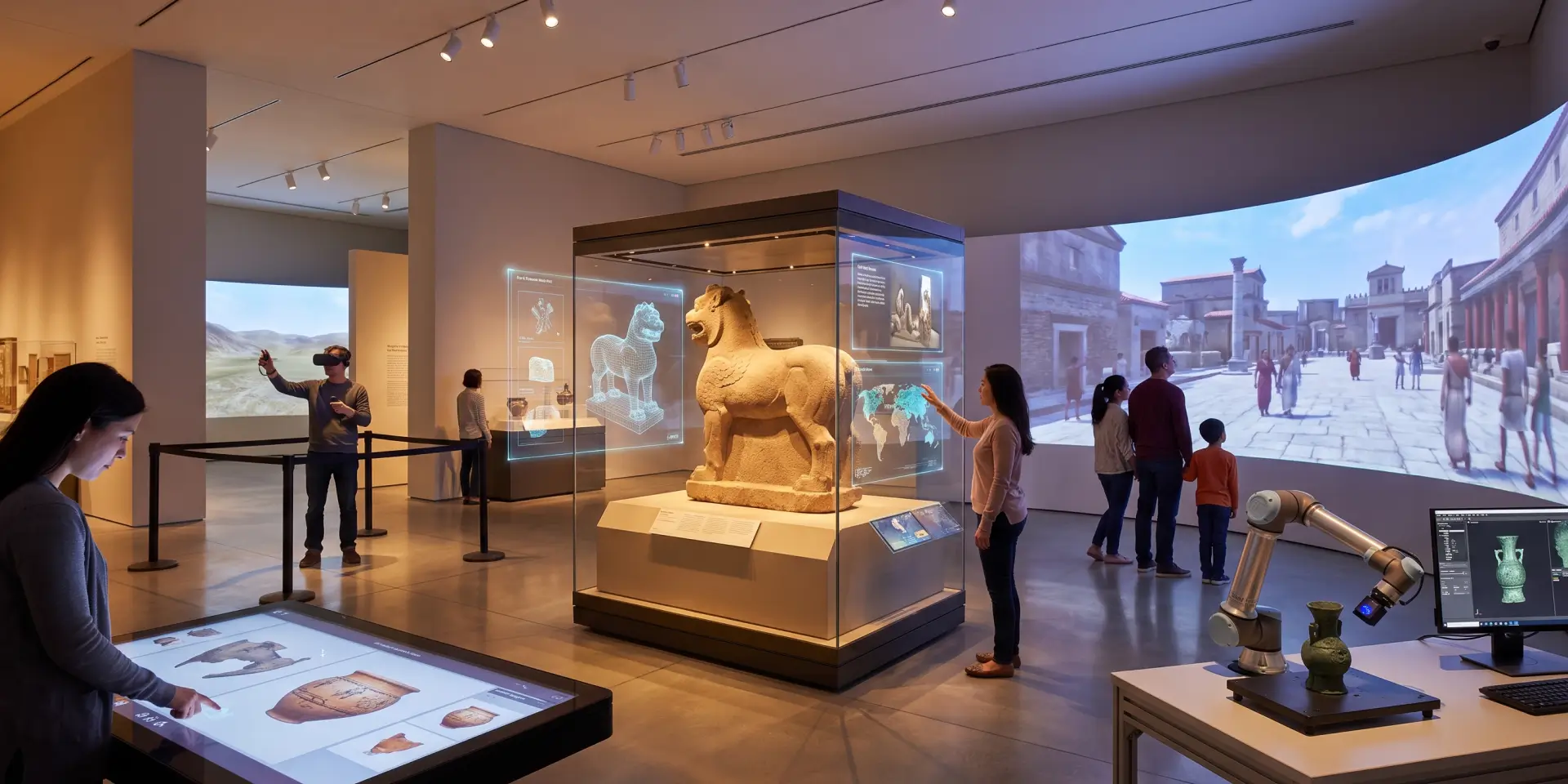
This is where a digital museum earns its place. The right tools turn a static display into something a visitor remembers. The main technologies are:
Digitisation and 3D Scanning
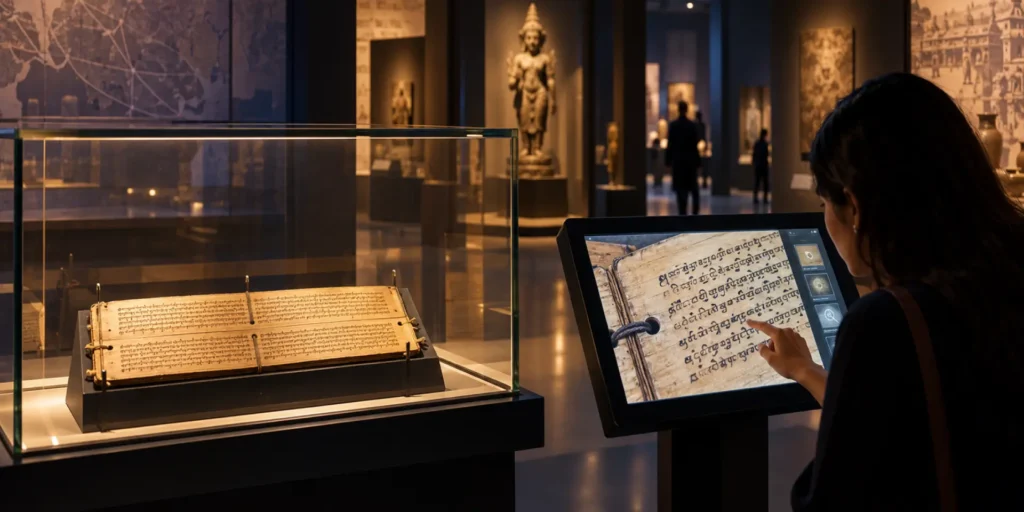
Museum digitisation is the foundation. High-resolution photography and 3D scanning create an exact digital record of an artefact. This protects the object and allows study without handling it.
Projection and Interactive Displays
Projection mapping and touch screens let a visitor explore detail that the eye alone would miss. For a major museum, we built interactive digital experiences for a heritage exhibition that connected ancient objects to a modern audience.
VR, AR, and Holograms
Virtual and augmented reality rebuild lost sites and vanished contexts. Holographic displays show a fragile object in three dimensions with no risk to the original.
Digital Twins
A digital twin is an exact virtual copy of an artefact or a whole site. It supports conservation, planning, and remote access at the same time.
Organisations such as UNESCO treat this kind of digital heritage work as central to protecting culture for future generations.
What a Digital Museum Experience Looks Like
A digital museum experience is the visitor-facing result of all this technology. Done well, it feels natural and never gets in the way of the object. In practice, it includes:
- Interactive stations where visitors choose what to explore.
- Immersive rooms that place a visitor inside a historical moment.
- Personal ceremonies and rituals recreated in digital form.
We created a virtual lamp-lighting ceremony for a museum that let guests take part in a tradition through a digital interface. A strong digital museum experience gives the visitor a role, rather than a screen to watch.
The Benefits for a Heritage Institution
A digital museum is a serious investment, so the benefits have to be clear. Here is what we see across our projects.
- Wider reach: A virtual museum layer lets people visit from anywhere, which grows your audience well beyond the local one.
- Preservation: Digitisation records fragile items in full detail before age or handling damages them.
- Engagement: Interactive and immersive displays hold attention far longer than a static case, which matters most with younger visitors.
- Access and inclusion: Digital tools open collections to people who cannot visit in person or need different ways to engage.
- Education: A digital museum turns a visit into a lesson that schools and researchers can use.
The value of this became clear to the whole sector during the pandemic. According to an ICOM survey, almost every museum in the world closed its doors during 2020, and the institutions with a digital presence were the ones that kept reaching their audience. That lesson still holds.
How to Start Building a Digital Museum
A digital museum works when it starts with a clear purpose. Experience has taught us to fix a few things before any technology is chosen.
- Decide the goal: Preservation, reach, education, or engagement. The goal shapes every later choice.
- Start with the collection: Let the objects lead, and choose technology that serves them.
- Digitise first: A solid digitisation record is the base for everything else.
- Plan for measurement: Track visitor numbers, dwell time, and online reach from the start.
We advise institutions to begin with one gallery or one collection, prove the value, then expand. The heritage work we do on preservation and access, from LiDAR scanning to immersive visitor centres, always begins this way.
Planning a Digital Museum for Your Institution?
A digital museum works best when technology serves the collection and the visitor. That is how we approach every project. We have built interactive galleries, immersive experiences, and digital ceremonies for museums and cultural institutions, and each one was designed to protect the heritage and reach a wider audience.
If your team is considering a digital museum or a single interactive gallery, talk to our team about your collection. We will give you an honest view of what technology will serve your visitors and what will not.
The Bottom Line
A digital museum is a practical answer to the problems every heritage institution faces: fragile objects, limited space, and audiences that expect more. It preserves the collection, widens the reach, and gives visitors a reason to engage. Whether you build a full virtual museum or add a digital layer to your galleries, the institutions that treat technology as a tool for the collection are the ones that keep heritage alive for the next generation.
Frequently Asked Questions
What is the meaning of a digital museum?
A digital museum uses digital technology to preserve, present, and interpret its collection. This can be an online experience, a technology layer inside a physical museum, or both.
What is the difference between a digital museum and a virtual museum?
A virtual museum is online only and replaces the physical visit. A digital museum usually keeps the physical space and adds technology, so the real artefact stays central while the digital layer explains and protects it.
What is museum digitisation?
Museum digitisation is the process of converting artefacts and records into digital form through photography, 3D scanning, and cataloguing. It is the foundation of any digital museum or virtual museum.
What is an example of a digital museum experience?
Examples include interactive stations, immersive rooms that recreate a historical setting, and digital versions of traditional ceremonies that let visitors take part rather than watch.